


 September 24, 2026
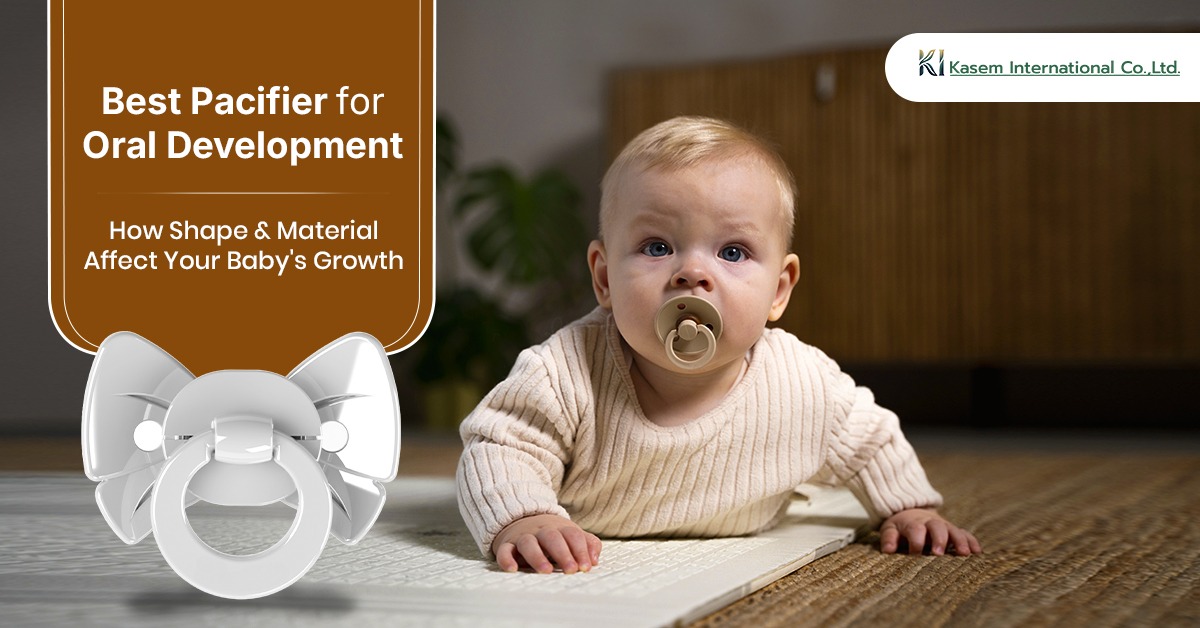
 Best Pacifier for Oral Development: How Shape and Material Affect Your Baby’s Growth
Every parent wants healthy growth for their baby’s mouth and jaw. Choosing the best pacifier for oral development supports this growth from infanthood. This blog shares the best materials and shapes used for healthy pacifier design.
What Material Is Ideal for the Best Pacifier for Oral Development?
Pacifiers come in different materials and each one behaves differently in a baby’s mouth. Latex pacifiers are soft and flexible, but they wear out quickly. They also carry a higher risk of allergic reactions in sensitive babies. Silicone pacifiers, however, are firmer, odorless and more durable over time. Silicone is hypoallergenic and safer for sensitive babies.
When comparing silicone vs latex pacifier safety, silicone clearly offers better hygiene and longevity. It resists bacteria buildup and withstands repeated sterilization without breaking down. This makes silicone the most trusted choice. Additionally, silicone maintains its shape, which supports consistent oral positioning.
A good pacifier bends slightly but keeps its original shape. This ensures consistent pressure on the palate every time. Latex often loses shape after repeated use and sterilization. Silicone, meanwhile, maintains its structure through daily wear. Parents should always check material labels before purchasing.
FAQ. What’s the best pacifier shape to prevent buck teeth?
An orthodontic, flattened shape prevents buck teeth. It reduces pressure on developing teeth and gums, supporting natural alignment as your baby grows and transitions toward solid foods comfortably.
How Pacifiers Affect Oral and Jaw Development?
1. Sucking Reflex Support
Babies are born with a natural sucking reflex. A well-designed pacifier satisfies this reflex safely. This supports jaw muscle coordination from an early age.
2. Palate and Teeth Alignment
The shape of a pacifier affects palate formation directly. An orthodontic pacifier reduces pressure on developing teeth. This lowers the risk of misalignment later in childhood. Hence, orthodontic pacifier benefits include healthier long-term dental structure.
3. Jaw Muscle Strengthening
Sucking motion naturally exercises the jaw muscles. Strong jaw muscles support future chewing and speech skills. The best pacifier for oral development encourages balanced muscle activity.
What Should Be the Shape of the Best Pacifier for Oral Development?
Shape plays a major role in a baby’s comfort and growth. The best pacifier shape for babies mimics the natural curve of a mother’s nipple. This design reduces pressure on the roof of the mouth. Additionally, an orthodontic shape flattens on one side for tongue comfort. This prevents unnecessary push against growing teeth and gums. A rounded, symmetrical shape is easier for babies to grip and hold. Ultimately, the right shape supports natural feeding and speech motions together.
FAQ. Is silicone or latex better for pacifiers?
Silicone is safer, more durable, and hypoallergenic. It resists bacteria better than latex, making it the preferred material for hygienic, long-lasting, and comfortable pacifier use overall.
How to Choose the Best Pacifier for Oral Development?
1. Check the Shape First
Always examine the pacifier’s shape before buying. Choose an orthodontic design for natural jaw alignment. The best pacifier shape for babies supports gentle palate development.
2. Prioritize Safe Material
Material safety should never be an afterthought. Compare silicone vs latex pacifier safety before choosing a product. Silicone remains the safer, more durable option overall.
3. Match Size to Age
Pacifiers come in different sizes for different age groups. An oversized pacifier strains small jaw muscles unnecessarily. Correct sizing directly improves orthodontic pacifier benefits over time.
4. Trust Reliable Manufacturers
Kasem International manufactures pacifiers focused on oral and jaw health. Their designs combine safe silicone with ergonomic, orthodontic shapes.
FAQ. At what age should babies stop using a pacifier?
Most experts recommend weaning between two and four years. Stopping earlier prevents dental issues, while gradual weaning helps babies transition smoothly without added stress or emotional resistance.
When and How to Wean Off a Pacifier?
- Start weaning gradually between 6 to 12 months of age.
- Limit pacifier use to naptime and bedtime only.
- Replace pacifier habits with comforting routines like storytime.
- Avoid weaning during stressful periods like teething or illness.
- Consult a pediatric dentist if habits continue past age three.
Conclusion
Choosing the best pacifier for oral development protects your baby’s smile early. Shape and material both matter for healthy growth. Explore Kasem International’s pacifiers today for safer, smarter parenting choices!
Recent Posts
- What to Know Before Choosing Feeding Bottle & Nipple Manufacturers in Thailand
- Importance of Maintaining Quality Baby Products: A Manufacturer’s Perspective on Safety Standards
- Best Pacifier for Oral Development: How Shape and Material Affect Your Baby’s Growth
- Best Material for Baby Feeding Bottle: What Every New Parent Should Know