


 September 28, 2026
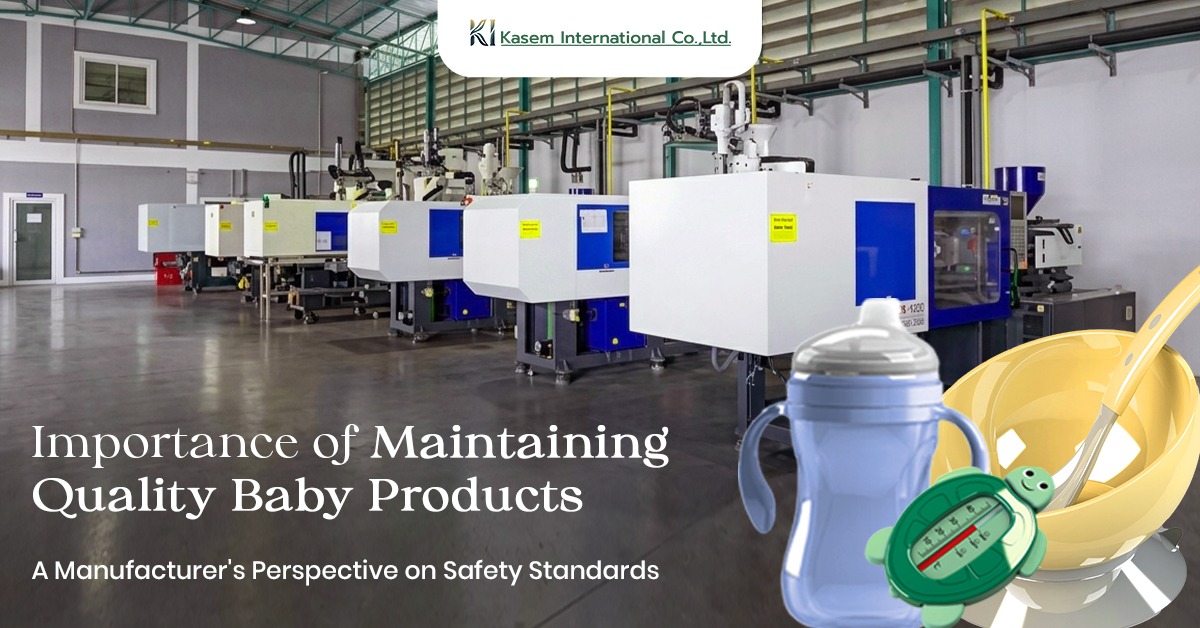
 Importance of Maintaining Quality Baby Products: A Manufacturer’s Perspective on Safety Standards
Babies deserve products that protect them, not harm them. This blog explains the Importance of Maintaining Quality Baby Products and shares why product quality matters for babies. It also covers safety standards manufacturers must follow every day.
What Is the Importance of Maintaining Quality Baby Products?
Quality baby products protect infants from daily risks. Manufacturers must prioritize safety at every production stage. Kasem International builds this priority into its entire process. Every material, stitch and finish gets careful review. This approach shows the true importance of maintaining quality baby products in action.
Strong quality control in baby product manufacturing prevents defects before they reach families. Workers inspect raw materials, test finished goods and verify every batch. This process catches problems early, before shipping. Kasem International trains its teams to spot issues instantly. Consistency, therefore, becomes a daily manufacturing habit.
Finally, safety standards protect brand reputation and customer loyalty. A single defective product can damage years of goodwill. Manufacturers who invest in quality avoid costly recalls later. Kasem International treats every product as a promise to families. This mindset keeps standards high across every product line.
FAQ. What certifications indicate a baby product is safe?
Look for CPSIA, ASTM or CE certifications on packaging. These confirm testing against toxins, choking hazards and structural weaknesses. Trusted manufacturers display these credentials openly. Always verify certifications before purchasing any baby product for your child.
Why Quality Control Matters More for Baby Products Than Any Other Category?
Babies cannot report discomfort or danger themselves. This raises the stakes for Quality Control in Baby Product Manufacturing. Every flaw could cause real harm to a child. Kasem International therefore treats quality checks as non-negotiable. This dedication reflects the genuine importance of maintaining quality baby products across categories.
FAQ. How can I tell if a baby product is low quality?
Check for loose parts, weak stitching or strong chemical smells. Poor finishing and flimsy materials often signal low quality. Missing certifications are another red flag. Research the brand’s manufacturing standards before trusting any product.
What are the Real Risks of Low-Quality Baby Products?
Low-quality items create dangers that parents often cannot predict. Consider these risks carefully before choosing any baby product:
- Choking hazards from loose or poorly attached small parts.
- Toxic chemicals leaching from cheap, untested plastics.
- Skin irritation caused by harsh, unregulated fabric dyes.
- Missing baby product safety certifications that verify true safety.
- Inconsistent quality showing weak quality control maintained while manufacturing baby products.
What are the Certifications You Should Look For?
Always check for recognized Baby Product safety certifications before purchasing. Look for CPSIA, ASTM or CE markings on packaging. These certifications confirm rigorous testing against harmful substances. They also reflect the broader importance of maintaining quality baby products across the industry.
How Quality Baby Products Are Actually Made?
Quality baby products start with carefully sourced, non-toxic raw materials. Skilled workers then assemble items using precise, tested methods. Kasem International applies strict quality control in manufacturing baby products at each stage. Inspectors test durability, safety and comfort before approval. This process highlights why product quality matters for babies every single time.
How Parents Can Evaluate Product Quality Before Buying Baby Products?
Smart parents always research products before making a purchase. Use these simple steps to evaluate quality confidently:
- Check for visible baby product safety certifications on packaging.
- Read manufacturer details about materials and testing processes.
- Look for stitching, edges and finishing that feel sturdy.
- Research the brand’s history and safety recall record.
- Ask about the company’s quality control in manufacturing baby products.
- Compare reviews focused specifically on durability and safety.
FAQ. Why are some baby products more expensive than others?
Higher prices often reflect better materials and stricter testing. Certified manufacturers invest more in quality control processes. This investment reduces safety risks significantly. Cheaper alternatives may skip essential testing, increasing potential hazards for babies.
Conclusion
Quality matters when it comes to babies. It is absolutely non-negotiable. This blog highlighted the importance of maintaining quality baby products and safety practices. Choose brands like Kasem International for trusted, certified products. Explore their range today and give your baby the best.
Recent Posts
- What to Know Before Choosing Feeding Bottle & Nipple Manufacturers in Thailand
- Importance of Maintaining Quality Baby Products: A Manufacturer’s Perspective on Safety Standards
- Best Pacifier for Oral Development: How Shape and Material Affect Your Baby’s Growth
- Best Material for Baby Feeding Bottle: What Every New Parent Should Know